
Closing Complex Land Transactions:
Why Due Diligence (and the Right Team) Makes the Deal
Complex land deals don’t fall apart because the buyer didn’t love the property. They fall apart because the details didn’t surface early, weren’t documented clearly, and weren’t handled by the right professionals.
Whether you’re buying or selling timberland, agricultural ground, or a working ranch, the closing process is rarely “standard.” These properties carry operational realities, legal nuance, and long-term risk that can show up months—or years—after the ink dries.
At Compass West Land Sales, we see the same pattern again and again: the best outcomes come from disciplined due diligence and a vetted closing team—attorneys, title, survey, water experts, consultants, and lenders—coordinated by an experienced land-focused broker.
Why land closings are different
A typical residential closing is mostly about condition, financing, and timing. A complex land transaction is about rights, access, operations, and proof.
Timberland, farms, and ranches often involve:
- Multiple parcels with non-obvious boundary history
- Easements, road maintenance agreements, and seasonal access constraints
- Water rights, irrigation infrastructure, and historic use
- Leases (grazing, farming, hunting, timber, or conservation)
- Mineral rights, split estates, and legacy reservations
- Environmental and regulatory considerations
- Operational records that impact value (yields, stocking rates, timber management)
When any of these items are unclear, the risk doesn’t just affect closing—it affects future resale, financing, and long-term value.
Due diligence isn’t a checklist. It’s risk management.
Due diligence is often treated like a checkbox. In reality, it’s the process of answering one question:
What could materially impact value, use, access, or marketability—now or later?
The hard part is that many material facts in land ownership aren’t obvious during a showing. They’re buried in:
- Title commitments and exceptions
- Recorded easements and historic deeds
- Water decrees and usage documentation
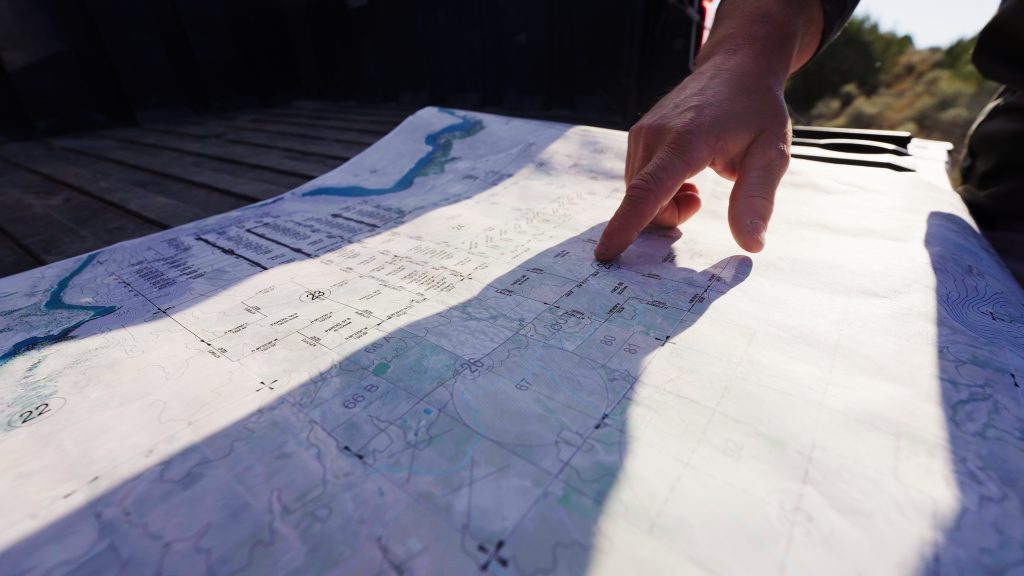
- Survey records (or the lack of them)
- County road maps, maintenance responsibilities, and access history
- Lease files and “handshake agreements” that need to be formalized
And sometimes, the most important issues don’t surface until years later—when a buyer tries to refinance, build, subdivide, harvest timber, change operations, or sell.
That’s why the goal isn’t simply to close. The goal is to close clean.
The closing team matters more than most people realize
In complex land deals, the closing team isn’t a formality—it’s the engine room. Here’s who makes the biggest difference.
1) Land-Use and Real estate Attorneys
The right attorney helps you interpret risk, structure protections, and avoid expensive ambiguity. They often handle:
- Contract structure and contingency language
- Easement interpretation and access disputes
- Entity structuring and liability considerations
- Water rights, leases, and operational agreements
- Risk allocation when facts are uncertain
A generalist can be fine for simple transactions. For complex land, you want someone who has seen the weird stuff—because land always has “weird stuff.”
2) Title companies that understand land
Title is where many complex deals either get solved—or get delayed. A land-savvy title team helps:
- Identify and explain exceptions that actually matter
- Coordinate curative work (releases, affidavits, boundary agreements)
- Manage multi-parcel closings and legacy deed language
- Ensure access, easements, and reservations are correctly reflected
The difference between an average title experience and a strong one is simple: speed, clarity, and fewer surprises.
3) Surveyors, water professionals, and consultants
For land, “trust but verify” is the rule. Depending on the property, you may need:
- Boundary surveys, ALTA surveys, and corner recovery
- Water right verification, well logs, irrigation mapping, and usage history
- Ag/range consultants for carrying capacity, soils, and operational viability
- Timber consultants for stand condition, access, and harvest planning
- Environmental review where appropriate
These aren’t “nice to have.” They’re how you turn assumptions into evidence.

Why experienced land brokers are often overlooked (and why that’s a mistake)
In many transactions, the agent is viewed as the person who lists the property and negotiates price.
In complex land transactions, an experienced broker does something more valuable: they prevent problems from becoming expensive surprises.
Here’s what land-focused brokers often do behind the scenes:
- Identify risk early based on pattern recognition (access, water, title, leases)
- Build the right due diligence plan for the specific property type
- Bring in vetted attorneys, title, survey, and consultants—fast
- Translate technical findings into practical decisions for buyers and sellers
- Keep momentum while protecting the client’s downside
- Ensure documentation is gathered, organized, and communicated clearly
The reality is this: material facts in land ownership can take years to show up.
A buyer may not discover a problem until they:
- Attempt to harvest timber and learn access isn’t as secure as assumed
- Try to change irrigation practices and find water documentation is incomplete
- Refinance and learn title exceptions require curative work
- Sell and realize the next buyer’s lender requires a survey, recorded easement, or updated lease documentation
A diligent broker’s job is to reduce the odds of those “future surprises” by insisting on clarity now.
A practical framework for closing clean
Every property is different, but the strongest closings tend to follow the same principles:
- Start due diligence early (before timelines get tight)
- Treat access, water, and title as first-class issues—not afterthoughts
- Document operational reality (leases, yields, stocking rates, timber plans)
- Use specialists, not generalists, when complexity is high
- Coordinate the process so experts aren’t working in silos
- Close with a file you’d be proud to hand the next buyer
Closing thoughts
Timberland, agricultural, and ranch properties are legacy assets. They deserve a closing process that matches the stakes.
If you’re evaluating a complex land purchase or preparing to sell, the best investment you can make isn’t just in the property—it’s in the due diligence and the team that protects your outcome.
If you’d like a second set of eyes on a deal, a due diligence plan, or help assembling the right closing professionals, Compass West Land Sales is here to help.